
Is Vape Smoke Worse Than Cigarettes? A Balanced Comparison
July 24, 2025
The rise of e-cigarettes, or vapes, has sparked a major shift in the tobacco industry and public health discussions. Many smokers have switched to vaping, thinking it’s a safer alternative to traditional cigarettes. But the question remains: Is vape smoke worse than cigarette smoke?
While vaping is often marketed as a cleaner or less harmful choice, this doesn’t mean it’s safe. This blog will break down the similarities and differences between vaping and smoking, helping you understand what each option really means for your health—and for those around you.
Understanding the Basics: What Is Vape Smoke vs. Cigarette Smoke?
Cigarette Smoke
Cigarette smoke comes from burning tobacco. This combustion process releases over 7,000 chemicals, many of which are toxic and at least 70 are known to cause cancer (as defined in reports by the U.S. Centers for Disease Control and Prevention). Among these are:
- Tar
- Carbon monoxide
- Formaldehyde
- Benzene
- Arsenic
- Ammonia
These chemicals not only harm the smoker but also pose risks to those exposed to secondhand smoke.
Vape Smoke (Technically Aerosol)
Vape smoke isn’t actually smoke in the traditional sense. It’s an aerosol, created when e-liquid is heated in a vape device. E-liquids usually contain:
- Nicotine (often in high amounts)
- Propylene glycol and vegetable glycerin
- Flavorings
- Trace chemicals and metals from the device’s heating elements
Though vaping eliminates the tar and many of the carcinogens found in cigarette smoke, it still exposes the lungs to other potentially dangerous substances.
Health Risks of Cigarette Smoke
Cigarette smoking is the leading cause of preventable death worldwide. It’s been heavily researched, with decades of data linking it to major health problems:
- Lung cancer (the leading cause of cancer deaths)
- Chronic obstructive pulmonary disease (COPD)
- Heart disease and stroke
- Peripheral artery disease
- Weakened immune function
Cigarette smoke causes lasting damage to nearly every organ in the body. Its tar content and high temperature lead to chronic inflammation and long-term lung damage, even after quitting.
Health Risks of Vaping
Vaping is relatively new, which means the full health impacts are still being studied. However, research so far shows that vaping is not harmless.
Known Health Concerns Include:
- Nicotine addiction (especially in youth)
- Lung irritation and inflammation
- Popcorn lung (bronchiolitis obliterans) from certain flavoring chemicals like diacetyl
- Heavy metal exposure from coils (nickel, tin, lead)
- Volatile organic compounds that can cause respiratory issues
Additionally, in 2019–2020, an outbreak of lung injuries called EVALI (E-cigarette or Vaping Product Use-Associated Lung Injury) linked severe respiratory illness to certain THC vaping products, but it highlighted how unregulated or modified vaping substances can be dangerous.
What About Nicotine Content?
Both cigarettes and many vapes deliver nicotine, the chemical responsible for addiction. But the amount, form, and speed of delivery can vary:
- A typical cigarette contains 10–12 mg of nicotine, with about 1–2 mg absorbed per cigarette.
- E-liquids vary widely, with nicotine levels ranging from 3 mg/mL to over 50 mg/mL (especially in nicotine salt formulations used in pod systems like JUUL).
Vaping can lead to higher and more frequent nicotine consumption, particularly in teens or new users who may not realize how much they’re inhaling. This increases dependence and makes quitting harder.
Is Vaping a Safe Smoking Alternative?
Harm Reduction vs. Harm Elimination
Public health organizations like Public Health England have claimed that vaping is 95% less harmful than smoking. This estimate is based on the reduction of carcinogens and toxic chemicals, not on vaping being safe.
Vaping can be a harm reduction tool for adult smokers who cannot or will not quit using other methods. But it is not recommended for non-smokers or young people.
The FDA classifies vaping products under tobacco regulation. This means that although they don’t contain tobacco leaf, they are still tobacco products due to nicotine content.
Secondhand Exposure: A Key Difference
Cigarette Smoke
Secondhand smoke from cigarettes is highly toxic. It contains hundreds of chemicals harmful to humans, even in small amounts. Long-term exposure causes:
- Lung cancer
- Respiratory infections
- Asthma attacks
- Sudden infant death syndrome (SIDS) in babies
Vape Aerosol
Vape emissions are less toxic, but they are not harmless. The aerosol can contain:
- Nicotine
- Ultrafine particles
- Flavoring chemicals
- Heavy metals
People exposed to secondhand vape aerosol may still inhale these substances, though in lower amounts than from cigarette smoke. Long-term studies on secondhand vaping are ongoing.
Which Is Worse: Vape Smoke or Cigarettes?
The answer depends on what you’re comparing:
| Factor | Cigarettes | Vaping |
| Carcinogens | High | Lower |
| Tar | Present | None |
| Nicotine Levels | Medium | Varies (can be high) |
| Addiction Risk | High | High |
| Secondhand Risk | High | Moderate |
| Long-Term Research | Extensive | Limited |
| Youth Appeal | Lower | Higher (due to flavors, marketing) |
Summary:
- Cigarettes are more harmful in terms of carcinogens and lung damage.
- Vapes are not harmless and carry their own set of risks, especially for youth and long-term users.
- Switching to vaping may reduce harm for current smokers, but starting to vape is still a risk, especially if you’ve never smoked before.
Why Teen Vaping Raises Concern
Teen use of vaping products has increased significantly due to marketing, flavored options, and peer influence. Young people may believe vaping is harmless, but they’re at risk for:
- Early nicotine addiction
- Reduced brain development
- Increased risk of transitioning to cigarettes
The CDC and U.S. Surgeon General have labeled teen vaping as an epidemic, and steps have been taken to ban flavored pods and restrict online sales.
Vaping vs. Smoking for Quitting
Some adults use vaping to quit smoking, and it has helped some people succeed. However, the results are mixed:
- Some users end up using both, rather than quitting entirely.
- Others swap one addiction for another, remaining dependent on nicotine through vaping.
Other FDA-approved quit aids like nicotine patches, gum, or medication may offer better, safer long-term results.
Conclusion:
Vaping is less harmful than smoking cigarettes—but that doesn’t make it safe.If you’re a smoker trying to quit, vaping may be a step toward reducing harm, but it should ideally be a transition, not a destination. For non-smokers and young people, the risks of starting to vape are very real—and very preventable. Choosing to quit entirely—whether it’s cigarettes or vapes—is the best decision for your health.
Smack Boyz Tulsa Smoke & Vape Shop Serving the Bryn Mawr Community and Beyond in Tulsa
Smack Boyz Tulsa Smoke & Vape Shop is dedicated to serving the diverse needs of the local community of Tulsa, including individuals residing in neighborhoods like Bryn Mawr. With its convenient location near landmarks such as Ray Siegfried Stadium at Cascia Hall and major intersections like E 22 P.I. & S Lewis Ave (coordinates: 36.1301400526395, -95.9642886300247), we offer Tobacco Store Tulsa services.
Get Tobacco Store Tulsa at Bryn Mawr Now
Navigate from Bryn Mawr to Smack Boyz Tulsa Smoke & Vape Shop Now
Frequently Asked Questions (FAQs)
1. Is vape smoke considered safer than cigarette smoke?
Vape smoke is often considered less harmful than cigarette smoke because it doesn’t contain tar or many of the carcinogens found in traditional tobacco. However, it still includes nicotine, chemicals, and heavy metals that can negatively affect health—so it’s not safe, just potentially less harmful.
2. What are the long-term health effects of vaping compared to smoking?
While the long-term effects of smoking are well-established—such as lung cancer, COPD, and heart disease—the long-term effects of vaping are still being studied. Early research shows vaping may cause lung irritation, nicotine addiction, and exposure to toxic substances, but with fewer known risks than smoking.
3. Can vaping help you quit smoking?
Vaping has helped some smokers quit traditional cigarettes, but success varies. It’s not an FDA-approved quit method, and many people continue using both products. For better results, consider using approved nicotine replacement therapies or seeking medical support.
4. Is secondhand vape aerosol dangerous like cigarette smoke?
Secondhand vape aerosol is less toxic than cigarette smoke but still contains harmful substances like nicotine, ultrafine particles, and flavoring chemicals. It’s not harmless, especially for children, pregnant women, and people with respiratory conditions.
5. Do vapes contain more nicotine than cigarettes?
Some vape products, especially those using nicotine salts (like JUUL), contain much higher nicotine concentrations than traditional cigarettes. This can lead to stronger addiction, particularly among teens and new users who underestimate the nicotine intake.

RECENT BLOGS
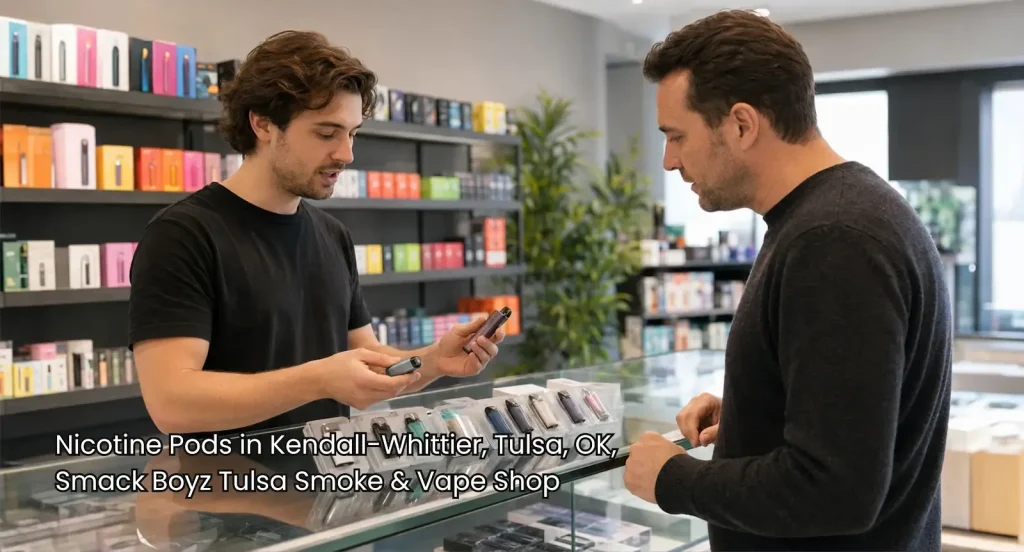
Are You Buying the Wrong Nicotine Pods? 5 Mistakes to Avoid Before Your Next Purchase

The Nitrous Oxide Myth Everyone Still Believes
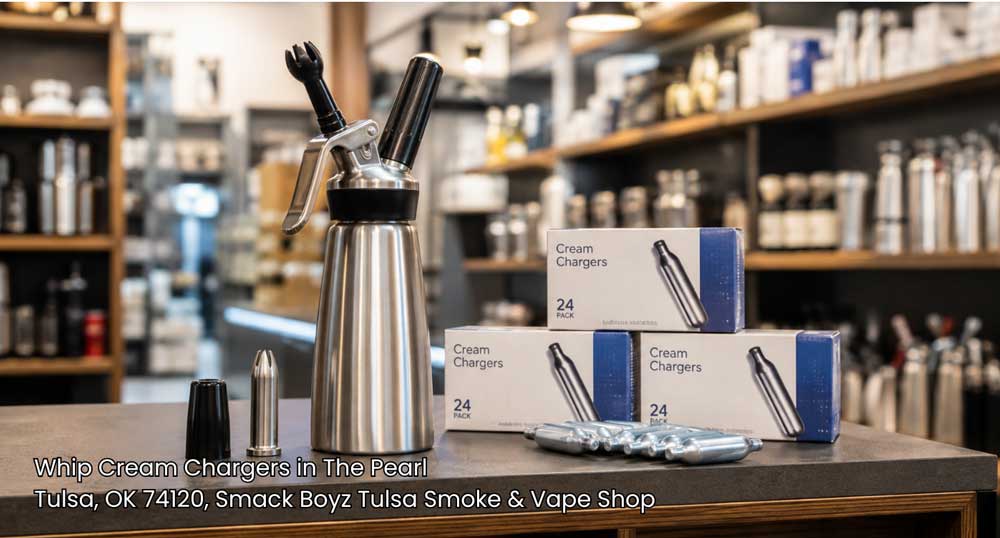
The Hidden Difference in Whipped Cream Chargers: What Smart Buyers Should Know

Everything You Need to Know Before Choosing Nitrous Oxide Chargers

5 Reasons More People Are Choosing Herbal Vaporizers
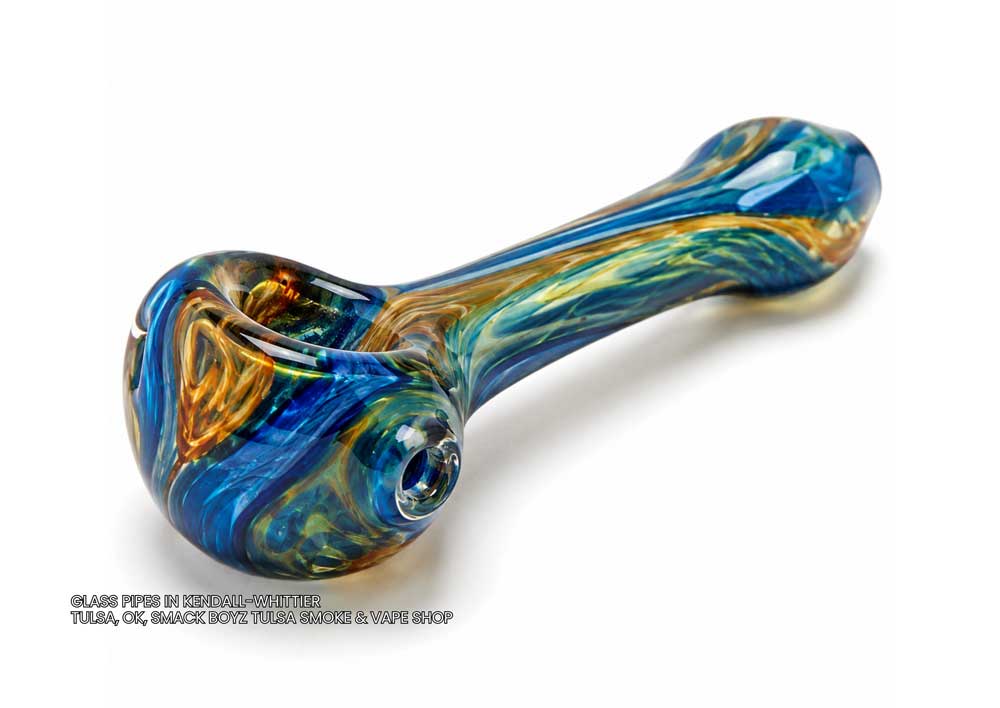
What Should You Actually Look for in Glass Pipes
Smack Boyz Smoke Shop in Oklahoma
Discover Your Perfect
Smoke Today!
Dive into the ultimate smoke shop experience at Smack Boyz in Oklahoma. Explore our extensive selection of vapes, CBD products, kratom, hookah supplies, and more. Whether you’re searching for the latest vape gear, top-quality CBD oils, or unique shisha flavors, we have it all. Visit us now to find everything you need under one roof. Don’t miss out—your next favorite product is waiting for you!
Shop Now at Smack Boyz Smoke Shop!